 ESUDO
ESUDO
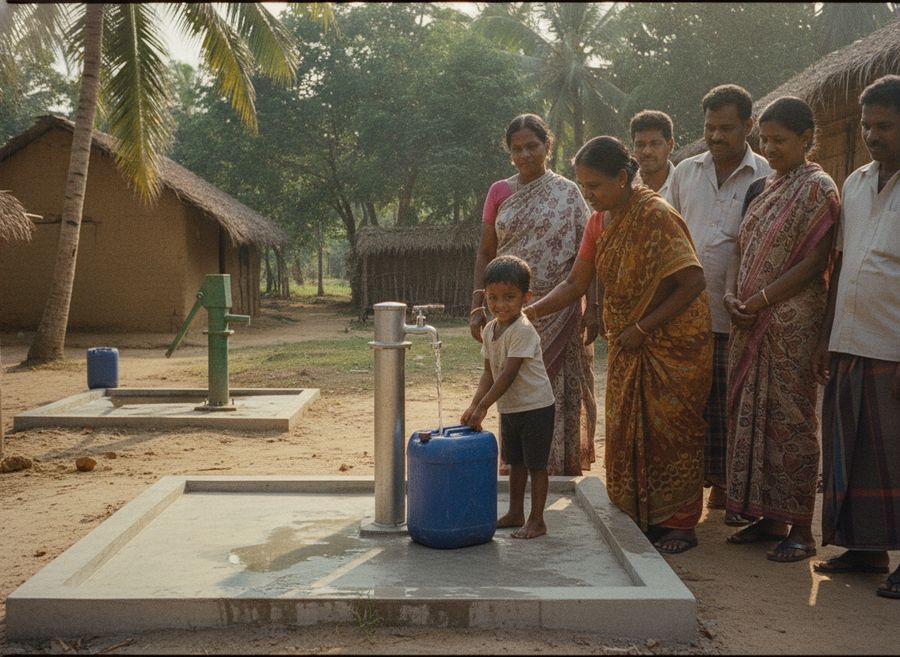
Before the standpipe, the walk was forty minutes each way, and it was almost always a woman or a child making it.
Three communal water points now serve about ninety households. Each was built with village labour on a site the residents chose themselves, which settled the question of whose end of the village it favoured before any concrete was poured.
The part that keeps them working is unglamorous: a maintenance committee, seven members drawn from every community using the point, collecting a small monthly share from each household. The fund has already paid for two pump repairs and a replacement tap without anyone needing to apply for help.
"A tap that nobody owns is a tap that nobody fixes," one committee member said.
That is the lesson ESUDO now applies to every water project: infrastructure is the cheap part, and the committee that maintains it is the actual deliverable.
Two further sites have been surveyed, with construction expected to begin after the monsoon.